Conference Room Video Wall: Why LED Instead of Projector
A classic meeting room pain point is the projector, which requires turning off the lights: when the lights are on, the image fades, and participants fall asleep in the dark. An LED video wall solves this problem radically: contrast is maintained in any lighting conditions, blacks stay black, and the presentation is visible from anywhere in the room. Plus, there are no lamps with limited lifespan or "warm-up" time—the screen turns on instantly and lasts for years.
Indoor Screen Requirements
Indoor LED screens operate at a minimum distance from the viewer, hence three strict requirements:
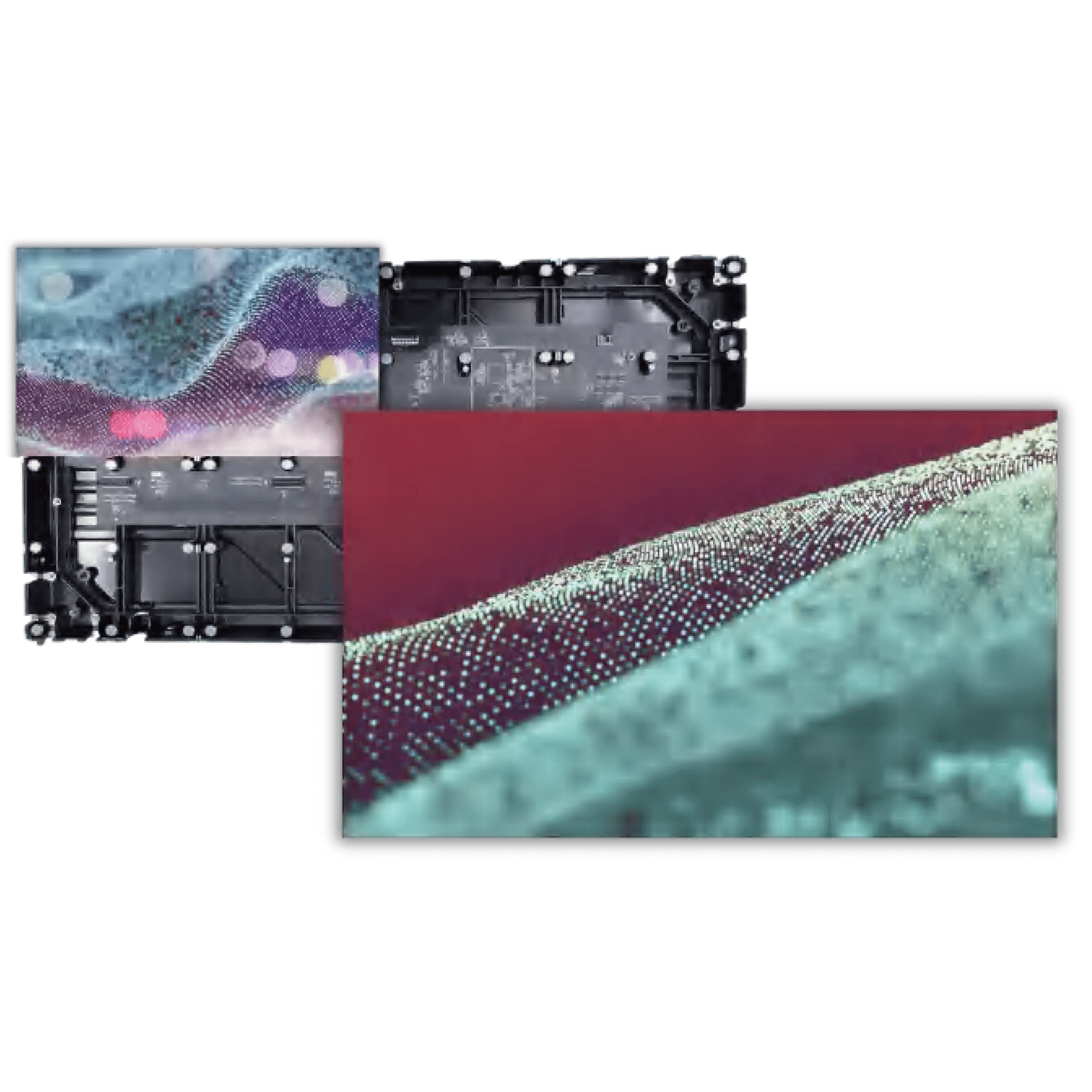
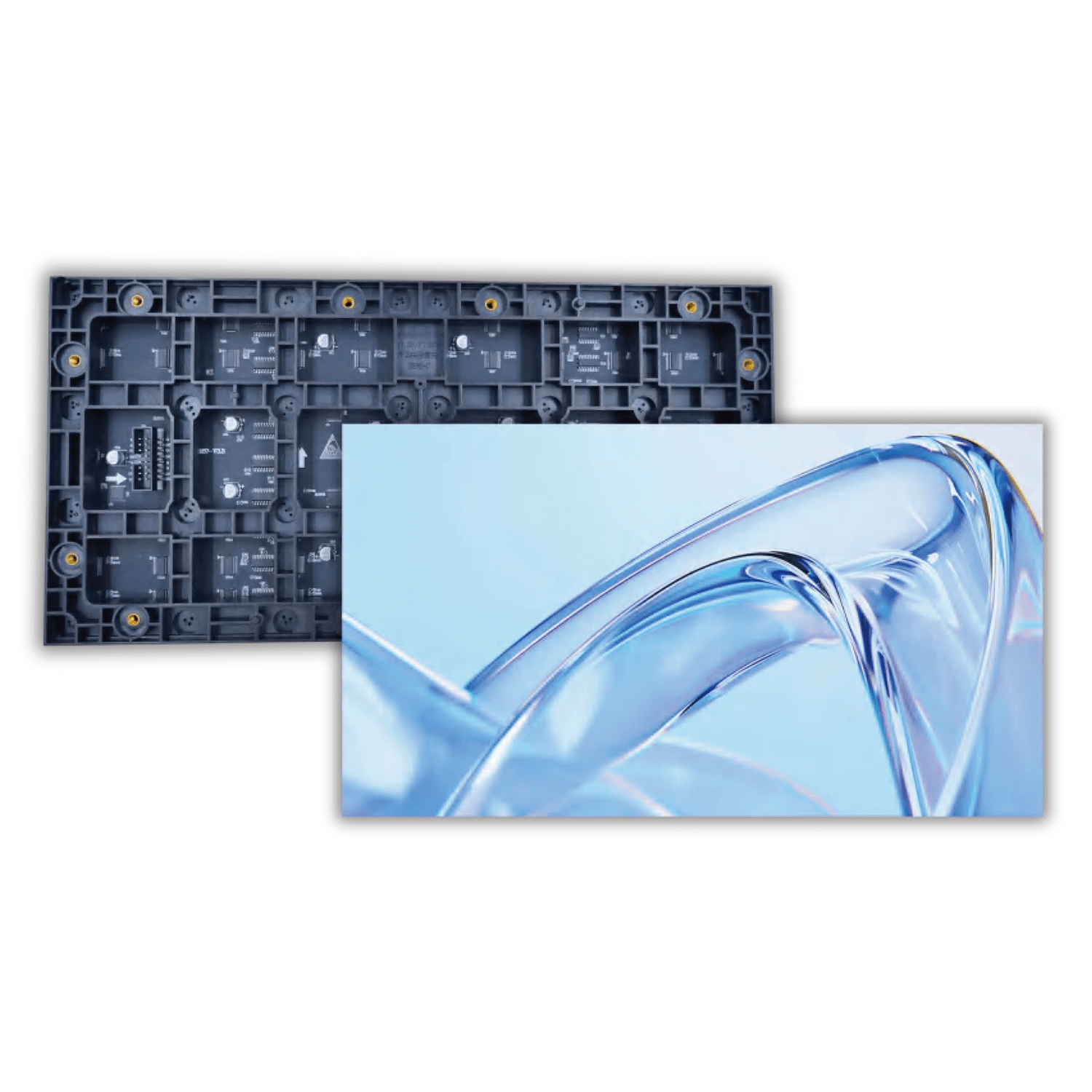
- Fine pixel pitch: From 0.56 to 4 mm—4K and higher resolution on the wall, with no visible pixel grid even from arm's length. For the most demanding applications, we use COB modules with a smooth, wipe-clean surface.
- Comfortable brightness and honest shooting: 600–1000 cd/m² — brighter than a TV without being glaring. 7680 Hz refresh rate: no streaking when recording conferences or broadcasting.
- Silence: Cabinets with passive cooling or external power supplies—the screen doesn't hum in the meeting room or heat the room.
Solutions for business problems
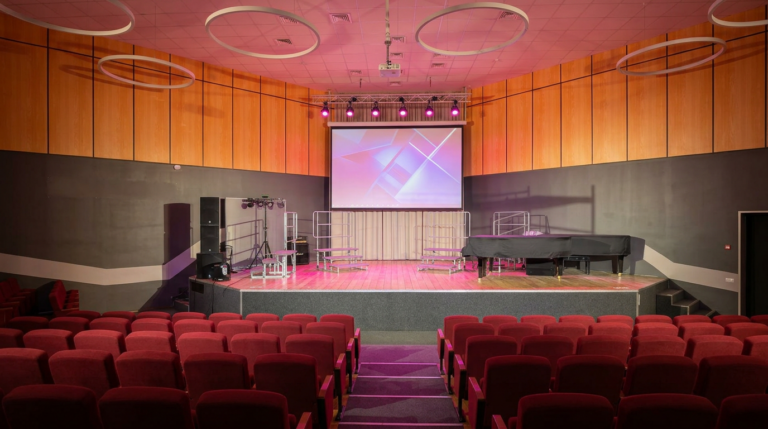
- Conference halls and meeting rooms: Video walls instead of projectors – presentations with the lights on, video conferences without compromising on the picture.
- Situation centers and control rooms: 24/7 fine-pixel screens allow operators to read tables and diagrams from their workstations without eye strain.
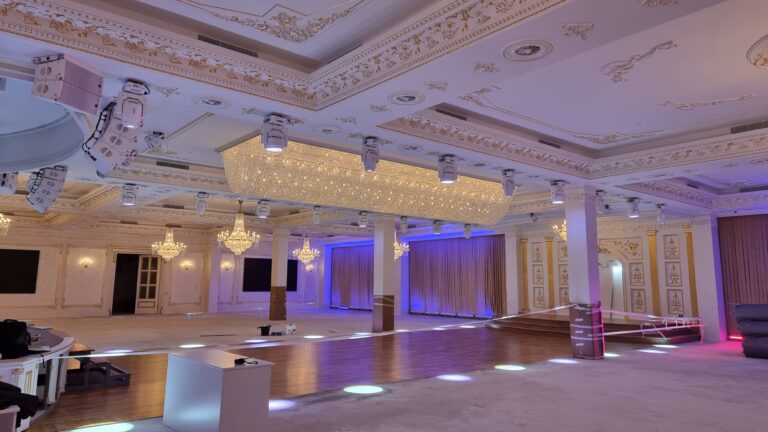
- Halls, reception areas and showrooms: Image-based video surfaces that set the company's standard from the visitor's first step.
- Flexible screens: Soft-backed modules for columns, curved walls, and curved reception areas—a video surface of any shape, without corners.
For retail spaces, shop windows and establishments - a separate direction: screens for shops, shop windows and restaurants.
Editing: smooth, seamless picture
The main mistake untrained installers make is crooked module joints, which results in visible seams and "steps" in the image. We work differently:
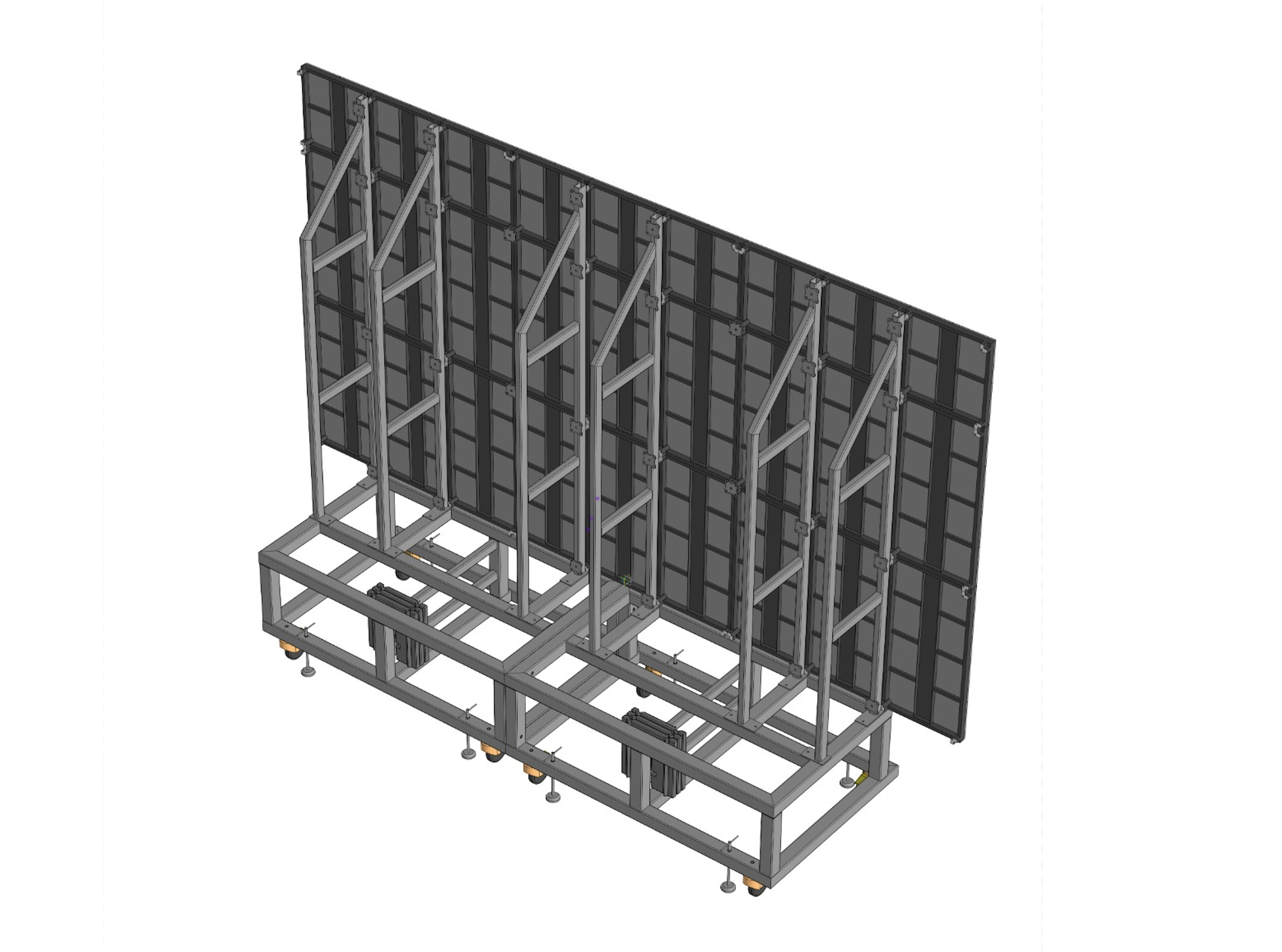
- Laser alignment: Vacuum grippers and three-axis micro-adjustment allow the canvas to be assembled into a monolith without gaps or distortions.
- Electrical safety: The screen is a significant load on the network, so we assemble separate power lines with overload protection, rather than hanging it on an office outlet.
- ZIP kit: Spare modules from the same batch are included in the delivery—when replaced, the module's color is the same, and front magnetic access makes replacement a two-minute task without disassembling the wall.
Calculate your screen parameters online
The engineering calculator will calculate the future screen resolution, peak and average power consumption, the weight of the structure on the wall, and heat output for ventilation designers in just one minute.
Go to calculation →
 RU
RU