 RU

LED screens for shops, display windows and restaurants
Display screens visible from the street, even in direct sunlight, and interior screens for retail spaces, bars, and food courts. Delivery, installation, and content customization available without interrupting business.
- Engineer's visit and inspection are free of charge
- The estimate does not change after approval.
- Our own service center, 6-month warranty
Turnkey LED screens for retail and HoReCa«
A display in a shop window pays for itself with street traffic, while a display in a store pays for itself with average sales. We select the brightness, pixel pitch, and format for each specific location: from a coffee shop menu board to a flagship store video wall.
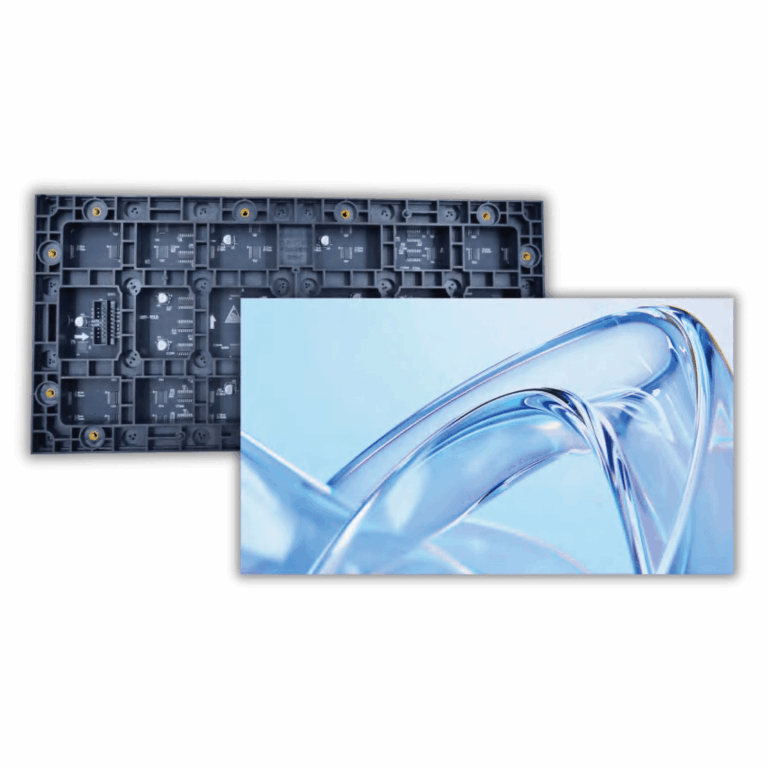
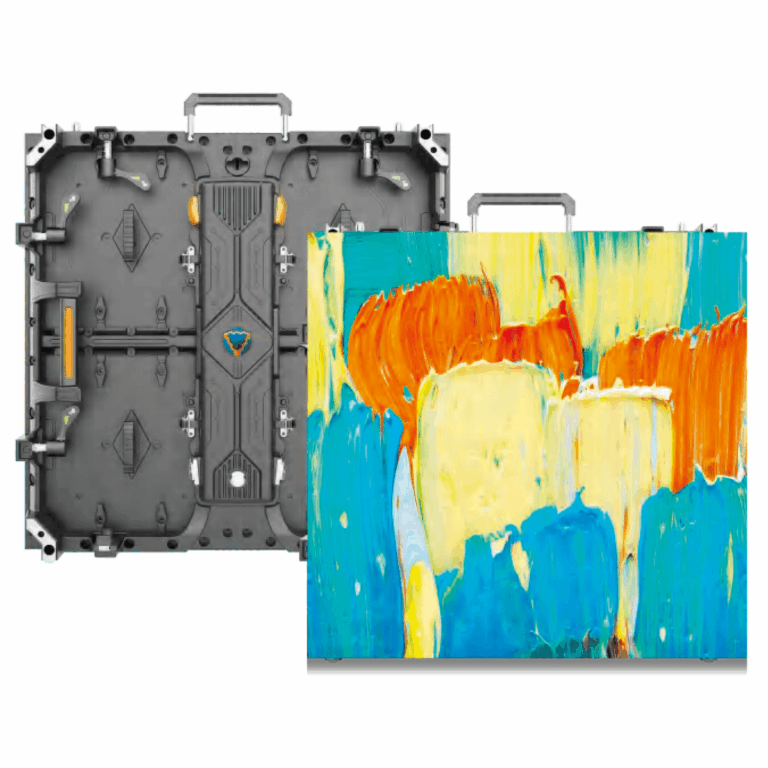
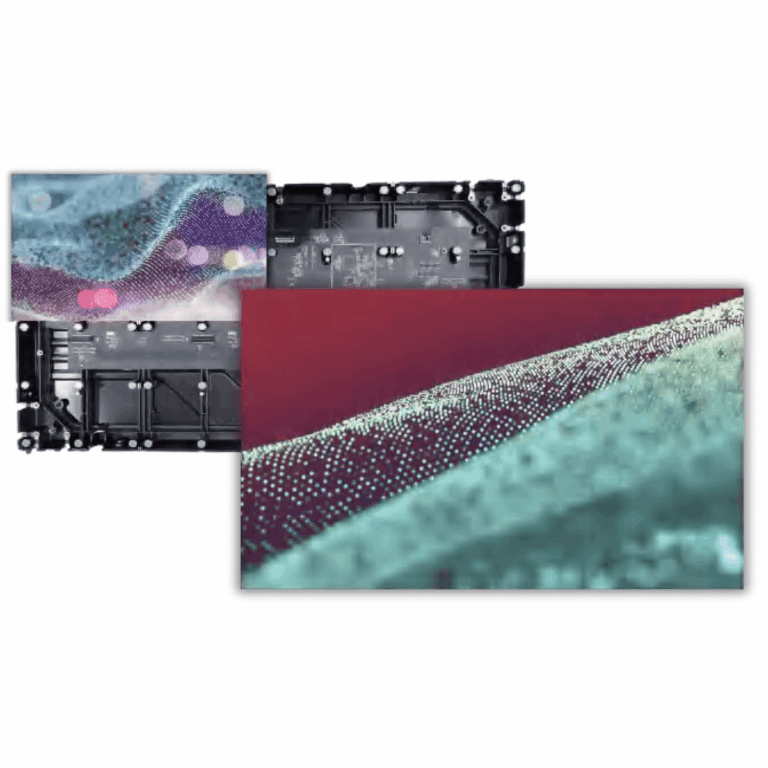
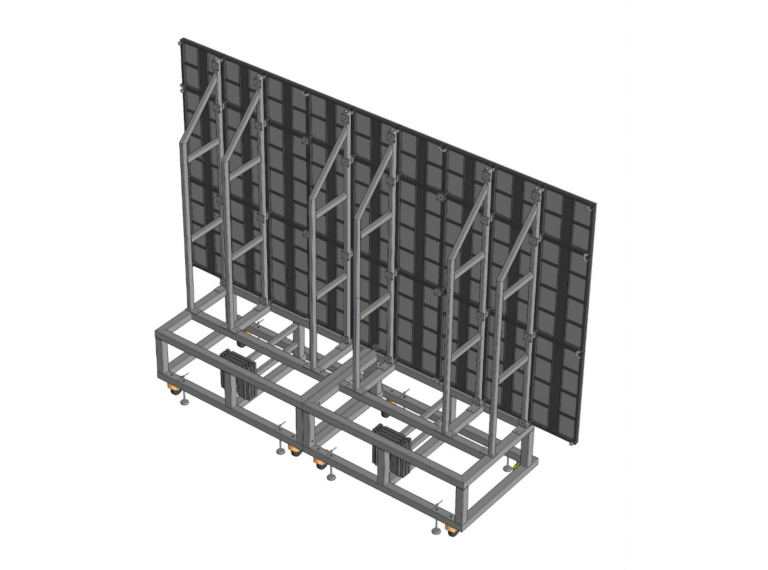
Cost of screens for shops and restaurants
The price per square meter depends on the pixel pitch and brightness. The estimate is determined after a site inspection. A ZIP kit of spare modules is included in the delivery.
We provide turnkey services tailored to your needs.
Full cycle: from acoustic calculations to facility delivery
- 1 Inspection of the point We measure the display case or installation area, assess the lighting, connection points, and installation method without compromising the interior.
- 2 Selecting a solution We calculate the brightness and pixel pitch: the display screen needs to penetrate sunlight, while the screen in the hall needs a comfortable brightness without blinding guests.
- 3 Supply We deliver the screen, mounts, and video cable from our warehouse—as a complete set, precisely and within the timeframe specified in the contract.
- 4 Installation without interrupting trade We work at night and until opening: in the morning the point works as usual, but with a screen.
- 5 Setup and content We calibrate brightness and color rendering, set up autoplay and scheduling: content changes automatically, without any staff intervention.
- 6 Training and support We show you how to change videos and prices on menu boards. We offer a warranty, a ZIP-pack of modules, and our own service.
Our facilities
40+ completed venues: concert halls, food malls, hotels, theaters, and corporate spaces.


More for your property
Sound, lighting, background music, and screens—we design and install as a single team.
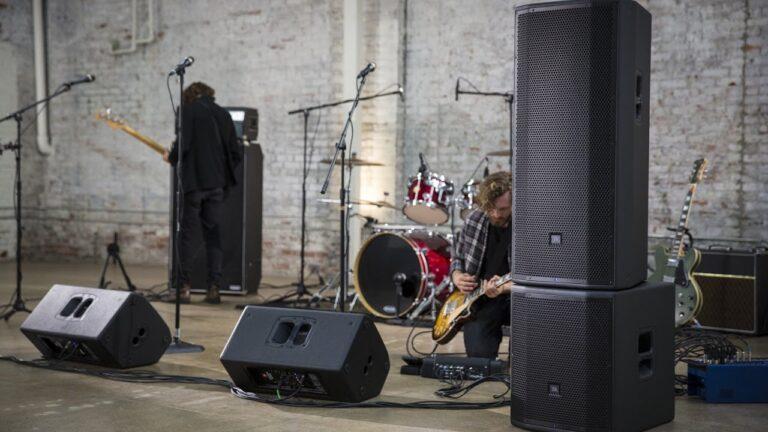 Sound for a restaurant and bar
Sound systems and music equipment for venues: soft background music in the dining area, live sound on stage, karaoke for banquets. One system – all the options for your evening. Read more →
 Restaurant and bar lighting
Interior hall lighting and stage lighting for performances – a single system that changes the atmosphere of the venue with a single button. Read more →
 Background sound for shops and supermarkets
Design and installation of music equipment that increases average order value and creates the perfect shopping atmosphere. We work with retailers from boutiques to hypermarkets. Read more →
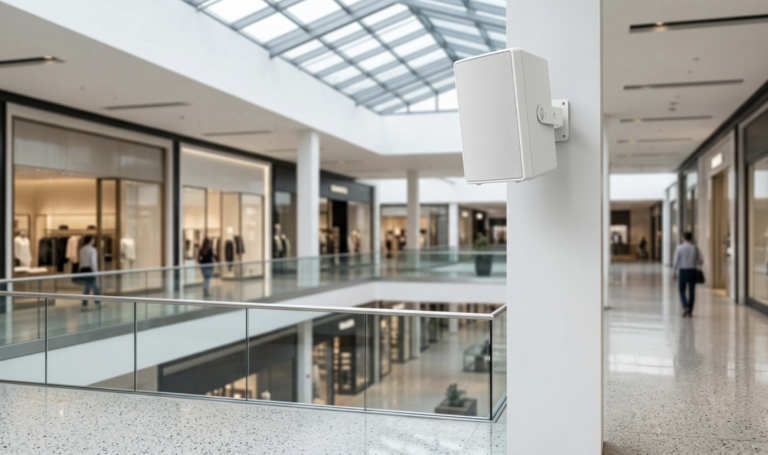 Mall background audio
Design and installation of Public Address systems for shopping centers of any size. We create uniform sound coverage to increase customer retention and integrate the system with sound control systems. Read more →
Why retailers choose us
A display in a store is not a one-time delivery, but a system that must operate every day without failure.
Brightness under the showcase
We install display screens with a power output of 3000 cd/m²—the image is visible from the street even on a sunny day, when a regular TV turns into a mirror.
Editing at night
The store or restaurant never closes for a day: all noisy work occurs before opening, and there are no signs of installation or debris in the morning.
Own service and spare parts
Spare modules from the same batch included, repairs in our own service center - the screen won't hang with a defect for weeks.
Frequently asked questions
If you haven't found the answer, call us and an engineer will help you.
+7 (499) 380-81-21Because of the brightness: a home TV has 250–400 cd/m², and against daylight, the screen turns into a dark mirror—you can see the reflection from the street, not the content. A display LED screen requires at least 3000 cd/m². Plus, a TV isn't designed to operate 12–16 hours a day and will burn out within a year. A display LED screen is designed for this mode from the start.
No, if it's set up correctly. We set up automatic brightness control: during the day, the screen is at full brightness to capture the sun, and in the evening, it gradually reduces brightness to match the ambient light. For storefronts on residential streets, this is also a matter of regulations—residents' complaints about "spotlights in the windows" often result in regulations, so evening mode is mandatory.
Yes, this is our standard retail schedule: all work is carried out at night and before opening. We split the installation of fixtures, screen installation, and wiring into night shifts, and the store opens as usual in the morning. Trading continues uninterrupted, and customers see the screen ready and working.
No. Videos and prices are uploaded to the scheduler and are updated automatically: breakfast in the morning, dinner in the evening, weekend promotions. The administrator learns how to change files in one session. For chains, we set up central management—the marketer updates content across all locations simultaneously, without leaving the office.
It depends on the size, pixel pitch, and brightness: a display screen is more expensive than an interior display of the same size due to the brightness, while a menu board is more compact and less expensive than a video wall in a dining room. Square meter guidelines are in the table on this page; we will prepare a precise estimate after a free site inspection. A ZIP kit of spare modules is included in the delivery.
LED screen for a store: why does a business need it?
A retail display is a working salesperson, not just a decoration. An LED display in a shop window stops passersby and draws traffic from the street, a display in a sales area highlights promotions and new items at the decision-making point, and a menu board in a café speeds up the queue and sells high-margin items. Unlike printed posters, the content changes in minutes and on a schedule: breakfast in the morning, dinner in the evening, and special offers on weekends.
Display screen: brightness is key
The most common mistake is installing a regular TV or indoor screen in a shop window: against daylight, they turn into a dark mirror. A shop window LED screen should have a brightness of at least 3000 cd/m²—then the image is legible from the street even on a sunny day. We strike a balance: the screen operates at full brightness during the day, and automatically reduces brightness in the evening to avoid dazzling passersby and comply with lighting regulations for residential streets.
Screens for restaurants, bars and food courts
In a restaurant, a screen serves three purposes: menu boards above the cash register replace printed menus and change their positions according to the time of day, a screen in the bar attracts guests to match broadcasts, and a video screen in the dining room creates a welcoming atmosphere. A restaurant's LED screen is selected to match the dining room's lighting—with comfortable brightness and a pixel pitch tailored to the viewing distance. The screen is integrated with the rest of the establishment's systems: we design it together with sound, light и background voiceover — one contractor for the entire multimedia circuit.
Content management without an IT specialist
The digital signage system is set up once: videos and prices are uploaded to the scheduler and updated on schedule at a single location or across the entire chain of stores. Staff only need to update the file—we train administrators on this in a single session. For chains, we set up centralized management: a marketer from the office updates content at all locations simultaneously.