RU
RU
Concert lighting
We equip stages, concert halls, and nightclubs with professional lighting equipment. We create lighting scores, integrate DMX/ArtNet control, and supply rider fixtures.
We equip stages, concert halls, and nightclubs with professional lighting equipment. We create lighting scores, integrate DMX/ArtNet control, and supply rider fixtures.

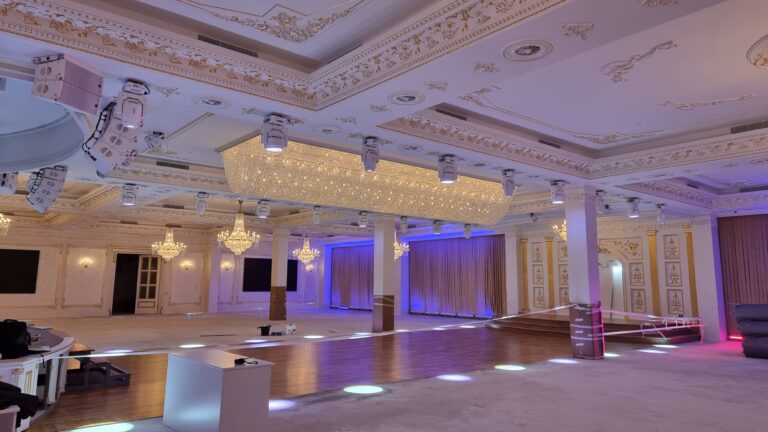
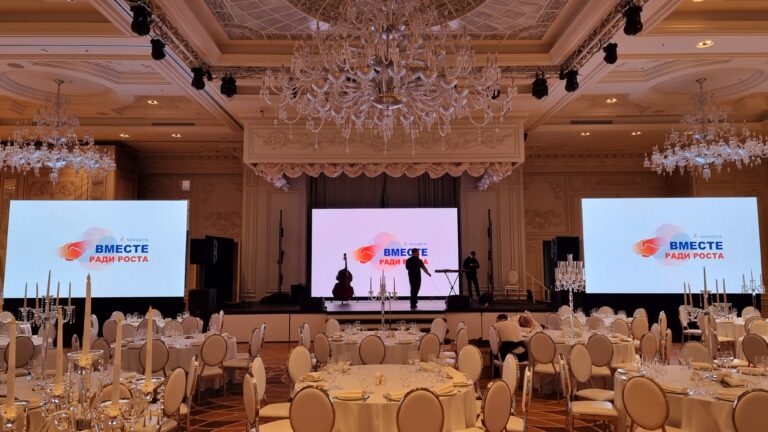
Lighting is the key to an event's success. We design systems that transform an ordinary hall into a world-class professional concert venue.
We take care of all the technical routine, leaving you with only the creativity.
We study the stage, create a lighting model of the venue (lighting calculations), and agree on the show concept.
We prepare cable logs, truss suspension diagrams, and calculate the load on supporting structures.
We supply lighting fixtures, remote controls, high-quality switching and mechanical equipment from manufacturers.
We assemble trusses, safely suspend equipment with safety cables, and lay cable routes.
We configure DMX addresses and build distributed Art-Net/sACN networks without delays or signal loss.
We create basic lighting scenes (presets) on the console and train your lighting designer (lighting operator) to work with the system.
A concert venue is unforgiving: the lighting must perform the show from the first to the last second—that's what our engineering is built on.
Long DMX lines pick up interference and freeze at the most inopportune moments. We build modern digital lighting control networks—the show runs synchronously and without interruption, no matter how many fixtures are hanging.
We use only certified trusses, chain hoists, and power fasteners. We check weight load calculations multiple times. The safety of performers and spectators is our top priority.
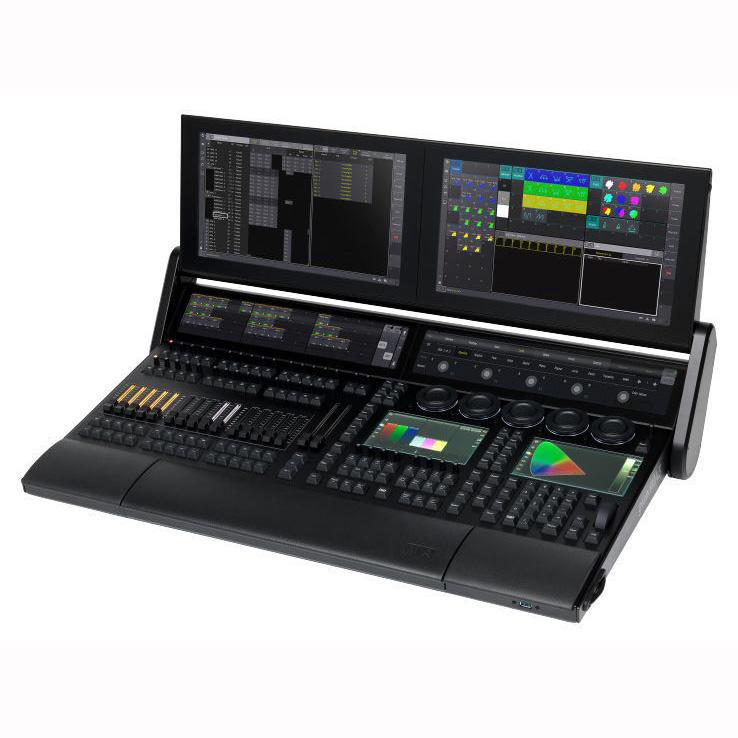
We work seamlessly with top-tier control consoles (MA Lighting, Avolites, ChamSys, Hog). We'll ensure visiting lighting designers have no trouble connecting their shows.
| Engineer's visit and site audit | For free |
| 3D visualization and lighting calculations in Capture | from 25,000 rubles (free for projects over 500,000 rubles) |
| Mounting a lighting fixture on a truss | from 1,000 rub. per device |
| Turnkey club stage lighting system« | from 350,000 rubles. |
| Turnkey concert hall lighting« | from 400,000 rubles. |
| Light show programming | from 15,000 rubles. |
The exact cost is determined based on the project scope after a site inspection. Equipment is priced according to specifications. The estimate is fixed before work begins and remains unchanged during the process.
Concert lighting is designed to suit the venue's needs. There's no one-size-fits-all solution—here's how the requirements vary:
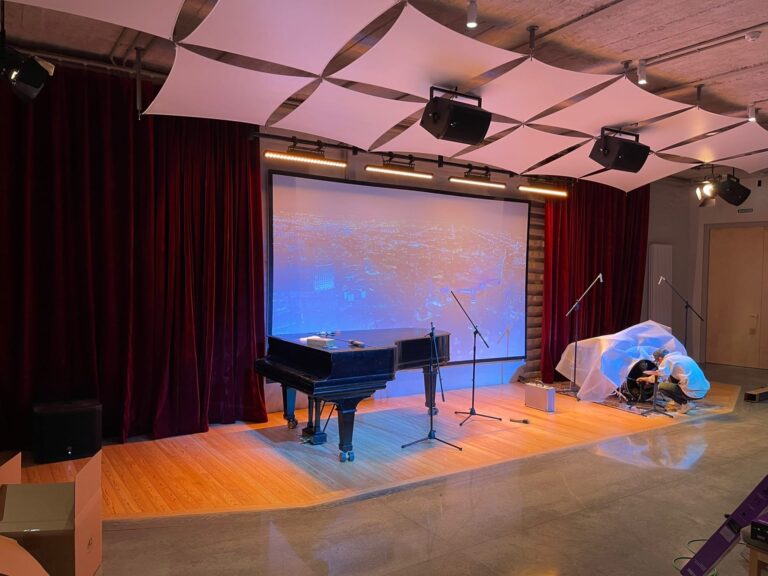
Versatility is key here: a rock band is performing today, a children's ensemble tomorrow. We use a combination setup: dynamic Spot/Wash heads for shows, theatrical statics for quieter formats, and tracking guns for soloists. Control is provided by a professional lighting console with physical faders for the designer's real-time work.
The lighting should pump along with the music. The core is fast beamheads with a narrow beam, strobes and LED bars with pixel control, and laser systems. A hazer is a must: without a light haze in the air, the beams are simply invisible, and half the effect is lost.
Operation in rain and wind: waterproof devices (IP65 and above), powerful overhead floodlights visible for kilometers, reinforced truss structures designed to withstand wind loads.
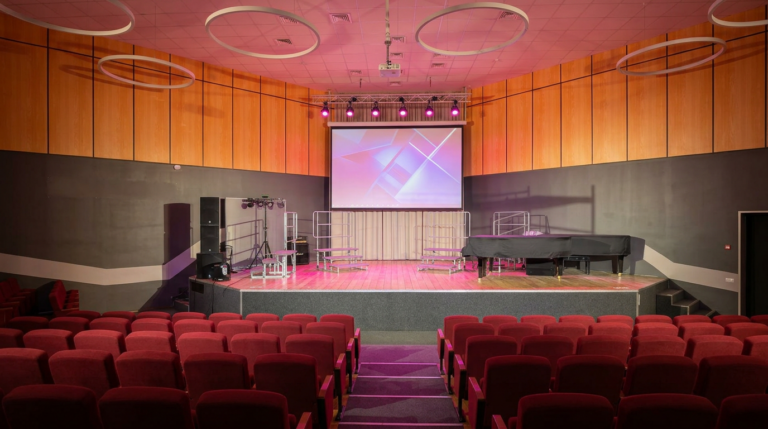
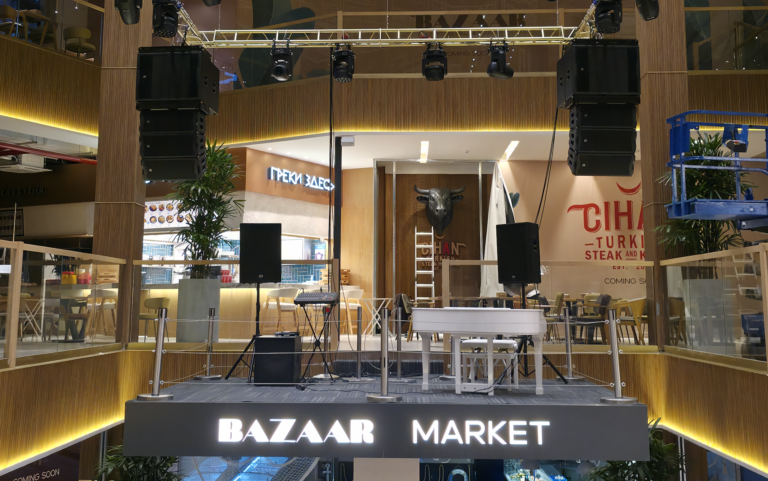
We have a separate direction for theaters and philharmonic societies - theatrical lighting with silent devices and accurate color rendering, for establishments - lighting of restaurants and bars, and for cultural centers and schools - lighting for assembly halls and stages of cultural centers taking into account budget purchases.
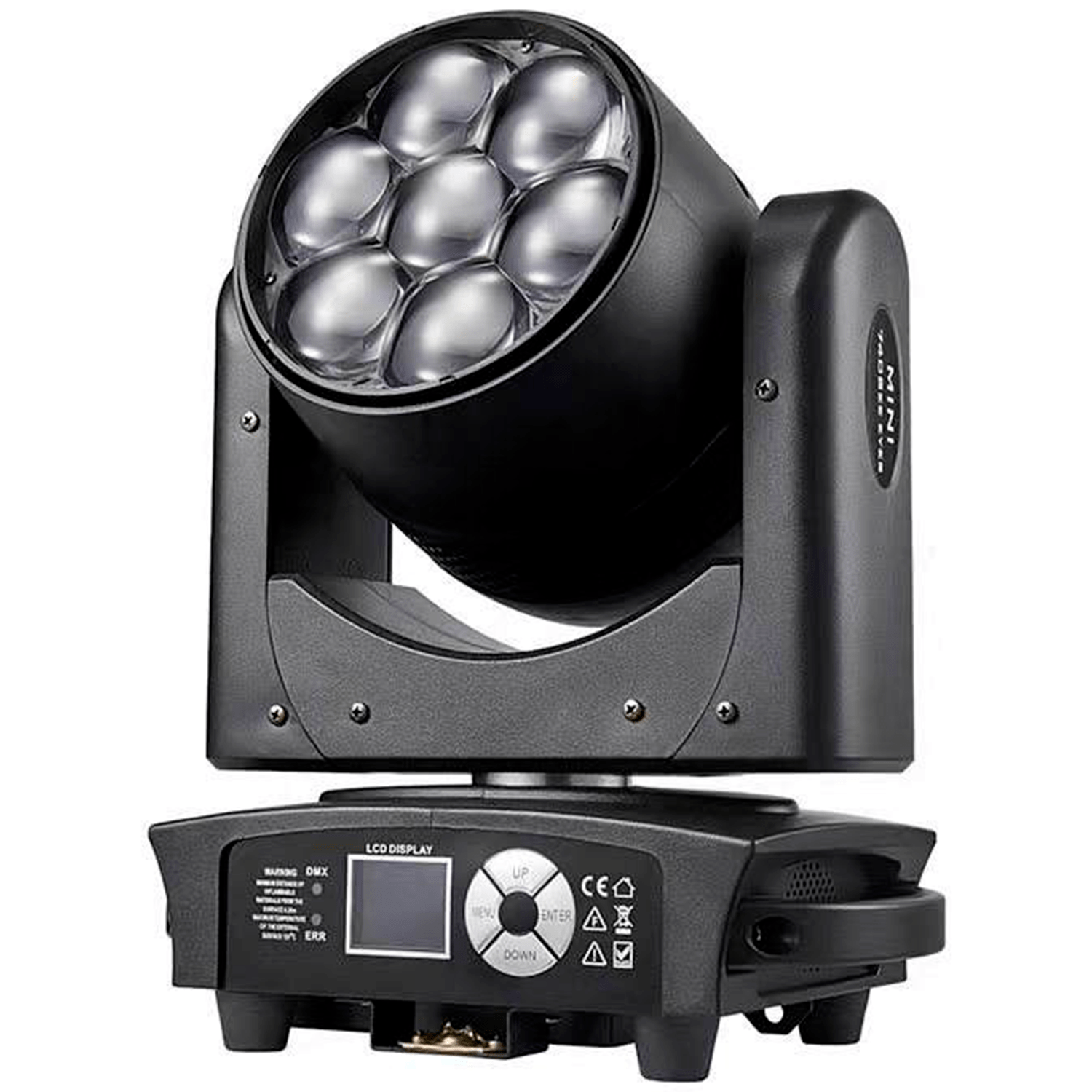
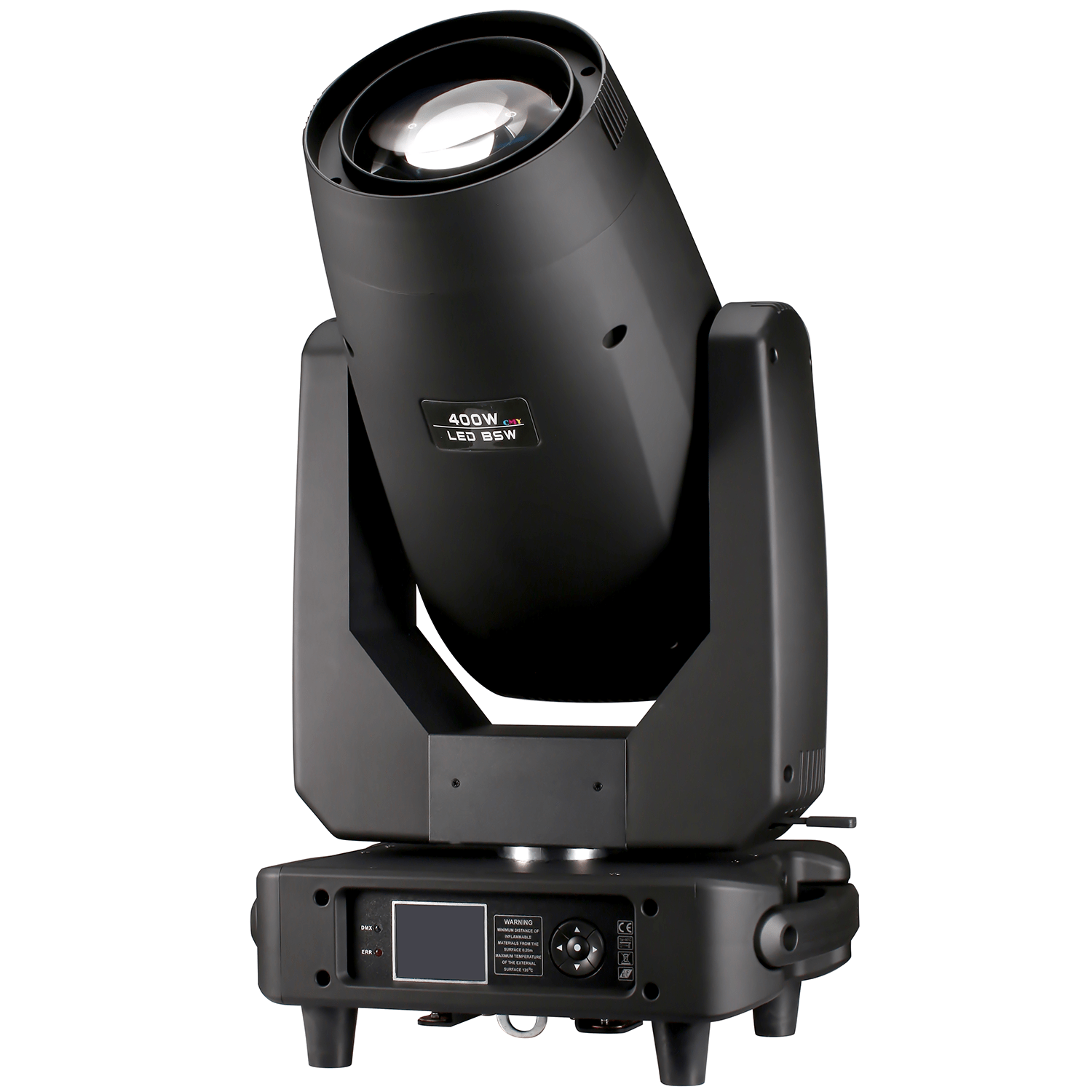
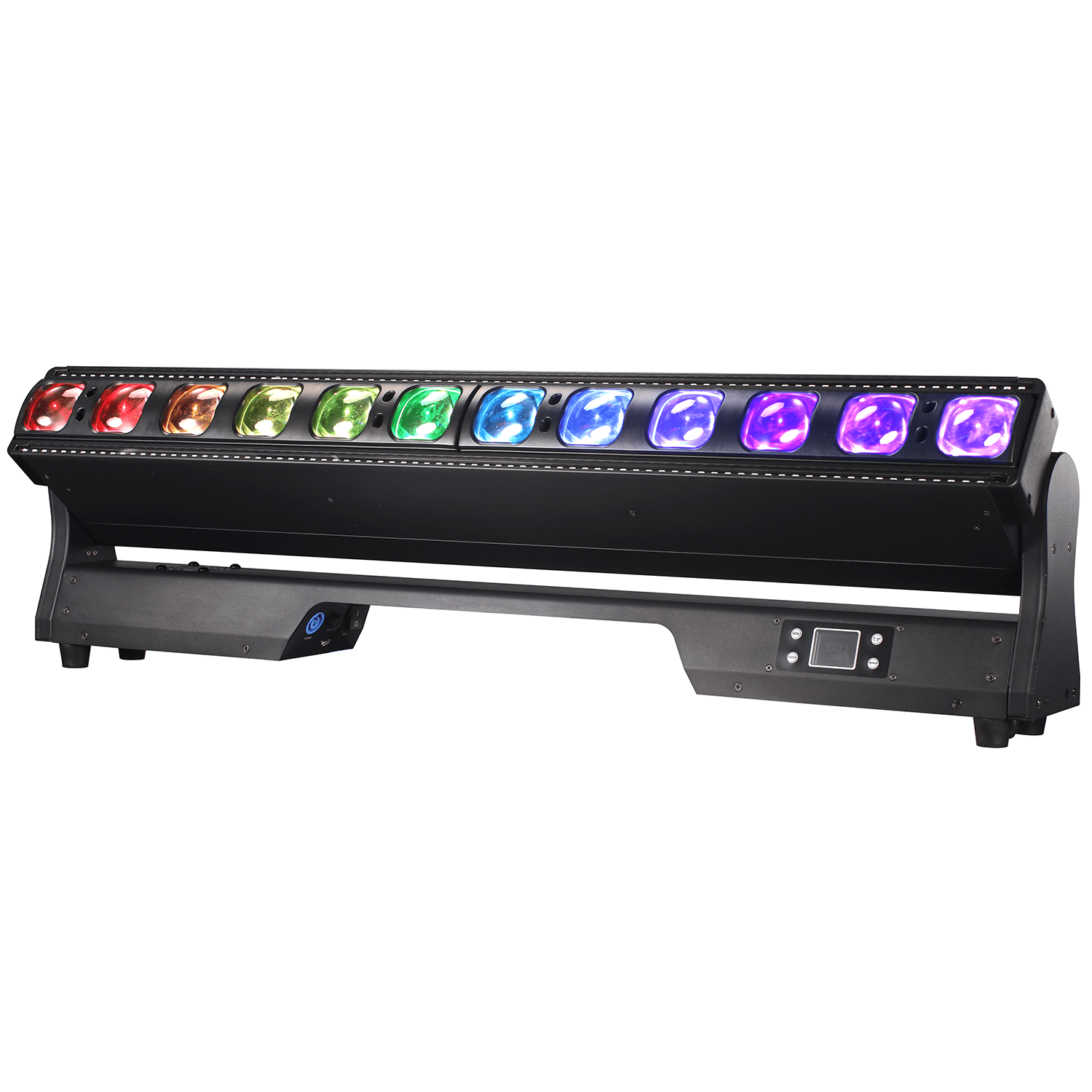
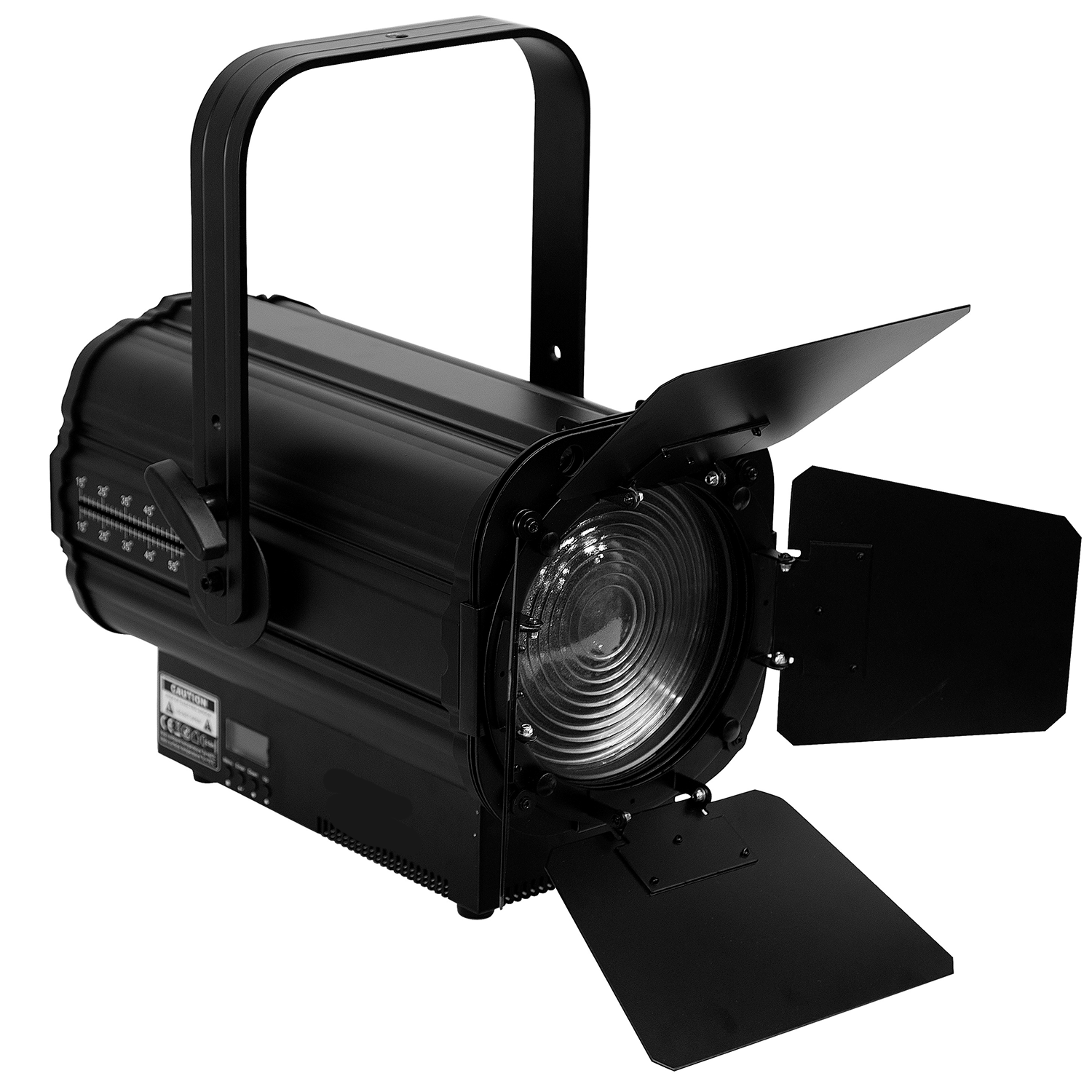
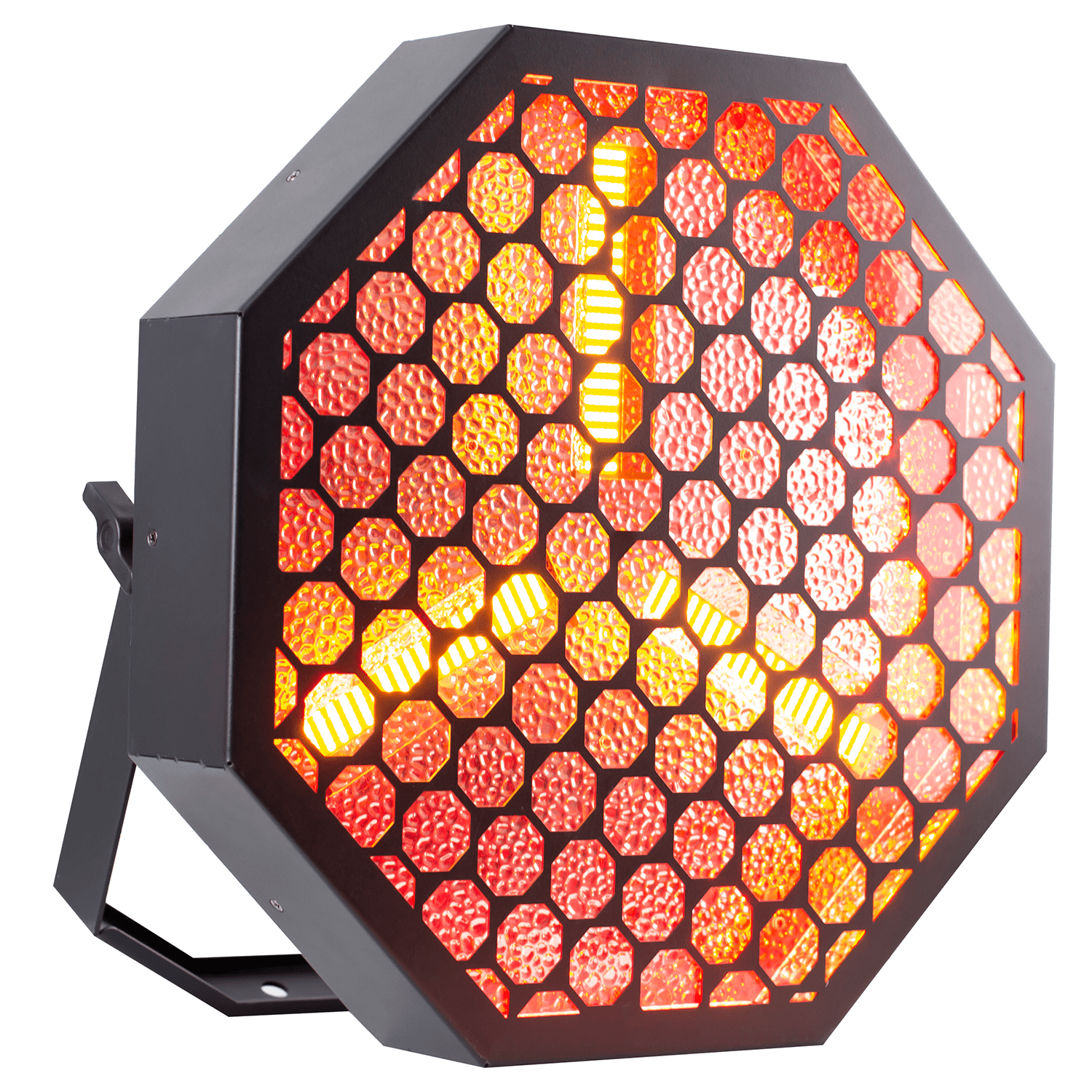
For a spectacular show, "colorful lanterns" are not enough. Professional stage lighting is assembled from specialized tools:
We often receive estimates that include equipment with excessive functionality—or, conversely, cheap alternatives that won't survive the season. Send us your estimate before signing the contract with the contractor—we'll check it against three criteria:
Next comes turnkey stage lighting: delivery, installation of concert lighting with a safe suspension, show programming, and training of your lighting operator.
The minimum setup: 4–8 dynamic Beam/Wash heads, a couple of LED bars or strobes for accents, a hazer for beam visualization, and a compact lighting console. This is enough for a full-fledged club show. The setup can then be scaled up: spot heads with gobos, blinders for audience interaction, and pixel effects can be added.
For background lighting, yes: we create standalone scenarios and synchronization with music, and the staff switches between ready-made programs with a single button. But a live concert requires real-time operator work: the lighting must breathe with the artist. We create basic lighting scenes on the console and train your lighting operator—after delivery, the venue is completely independent.
A rider is the artist's technical requirements for the venue: what fixtures, how many, and what kind of console are needed for their show. If the venue doesn't meet the rider, the venue either pays extra for the missing fixtures or loses the artist. We assemble lighting systems based on standard riders and install consoles that are easily operated by visiting lighting designers—MA Lighting, Avolites, ChamSys.
The classic cause is long DMX lines without splitters: the signal picks up interference from the power cables, causing the fixtures to take on a life of their own. We build networks with galvanic isolation, proper topology, and a transition to digital Art-Net/sACN protocols at large venues—control remains stable regardless of the number of fixtures.
It depends on the venue: a club stage and a concert hall have different budgets. After a free on-site visit and audit, you'll receive a commercial proposal with specifications and a cost estimate. For projects over 500,000 rubles, 3D visualization of the show in Capture is included. The estimate is fixed before work begins and remains unchanged.