RU
RU
Lighting for cultural centers and assembly halls
Turnkey stage lighting solutions: from design and procurement specifications to installation, setup, and staff training. We work with public institutions under Federal Laws 44-FZ and 223-FZ.
Turnkey stage lighting solutions: from design and procurement specifications to installation, setup, and staff training. We work with public institutions under Federal Laws 44-FZ and 223-FZ.

From venue audits and procurement specifications to installation, programming, and staff training, we retain everything from the existing fleet that actually works—a fair approach to budgetary resources.
A full cycle for community centers, schools, and colleges—taking into account the specifics of budgetary procurement and the institution's work schedule.
We visit the site and assess the stage, electrical system, and existing lighting equipment—what to keep, what to modernize, and what to replace.
We prepare a technical solution and help correctly draft procurement specifications to ensure that incompatible or obviously inferior equipment is not included in the bid.
We work through electronic trading platforms in accordance with Federal Laws 44-FZ and 223-FZ. Deadlines, scope of work, and cost are specified in the contract.
We adapt to the institution's schedule: evenings, weekends, and holidays. Rehearsals and events at the hall continue uninterrupted.
We adjust fixtures and create ready-made lighting scenes for your format: concerts, performances, meetings, film screenings.
We train employees in lighting management in one session, provide documentation, and a full package of closing documents.
We understand how a budgetary organization operates—from the requirements of Federal Law No. 44 to rehearsal schedules.
We help draft technical specifications and deliver contracts on time, and provide a full package of closing documents.
Editing takes place in the evenings, on weekends and during holidays – rehearsals and events at the hall do not stop.
We also provide stage mechanics as a complete package: fly rods, curtains, and stage clothing. Lighting, mechanics, and electrical systems are coordinated within a single project.
| Engineer visit and audit of the hall (Moscow and Moscow region) | For free |
| Turnkey school assembly hall light | from 200,000 rubles. |
| Turnkey stage lighting for a community center | from 300,000 rubles. |
| Modernization of the existing fleet (LED + control) | from 200,000 rubles. |
| Preparation of technical specifications and terms of reference for procurement | Free upon signing a contract |
The price is determined after the venue audit and is fixed in the contract. We work in accordance with Federal Laws 44-FZ and 223-FZ, and provide a full package of closing documents.
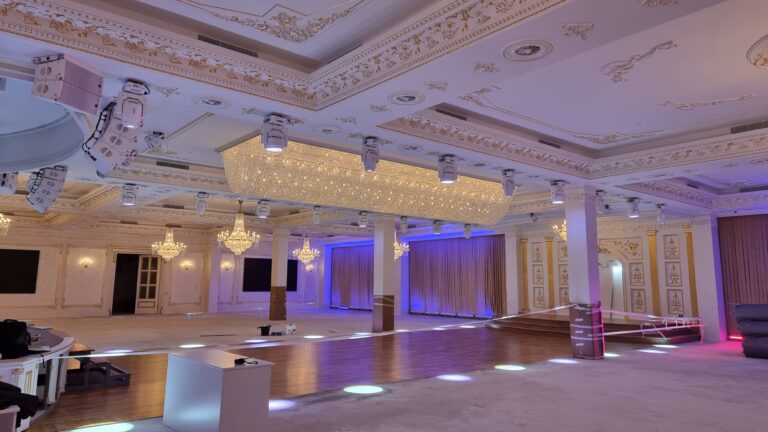
A typical situation: the building is several decades old, the stage is outfitted with tube spotlights mixed with household fixtures, half of which are out of order, and the controls are backstage switches operated by a single electrician. Meanwhile, the hall is full of life: concerts, performances, reports, meetings. Modern lighting for a community center solves this problem systematically—and, contrary to expectations, doesn't always require replacing the entire lighting system.
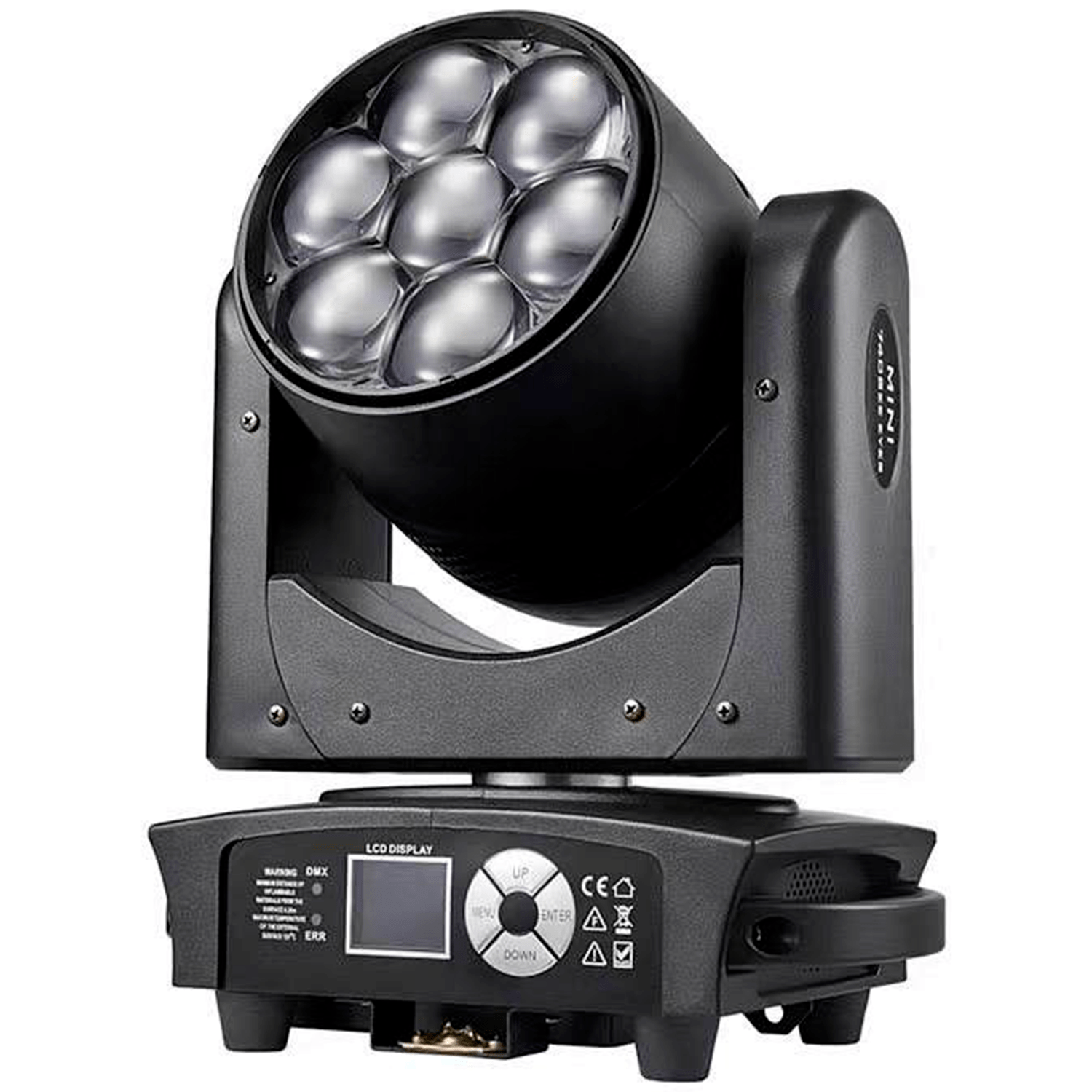
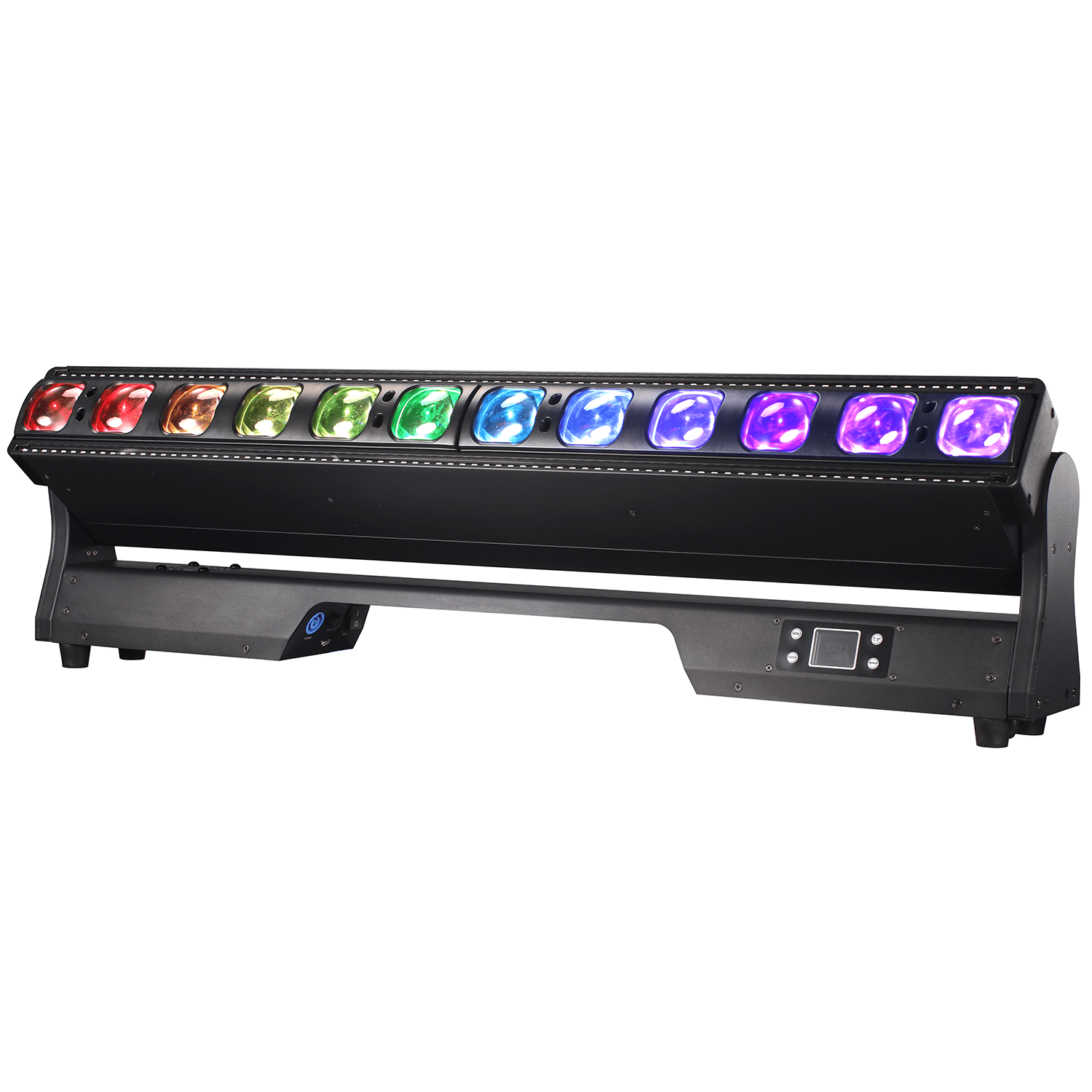
We begin with an audit: we look at what of the cultural center's existing stage equipment can be retained, what can be modernized, and what can be replaced. Tube-based PARs are often replaced with LED fixtures—they're significantly more energy-efficient, don't require regular lamp replacement, and don't overheat the stage—but the trusses, booms, and some of the switching equipment are often left in place. This is a fair approach to budgetary resources.
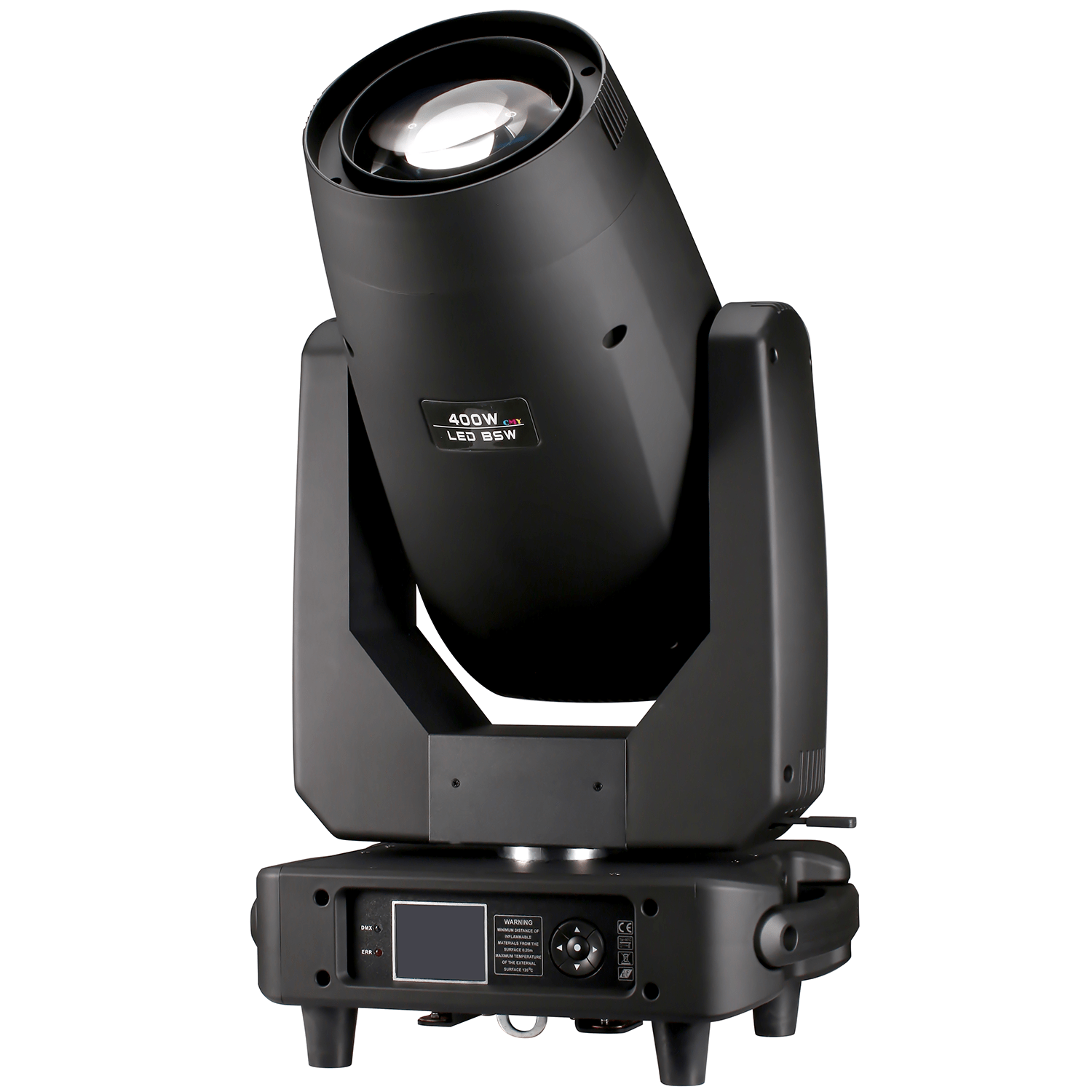
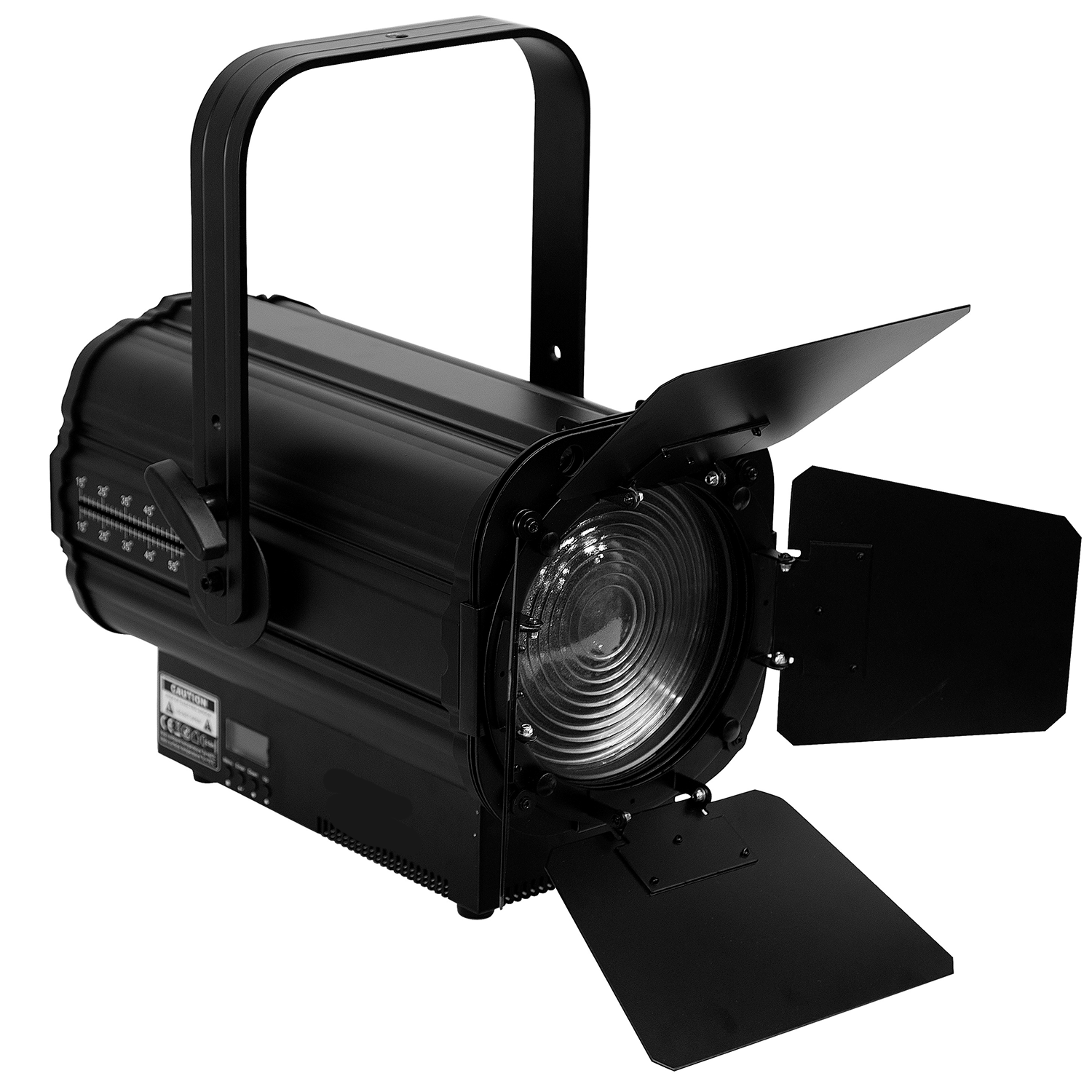
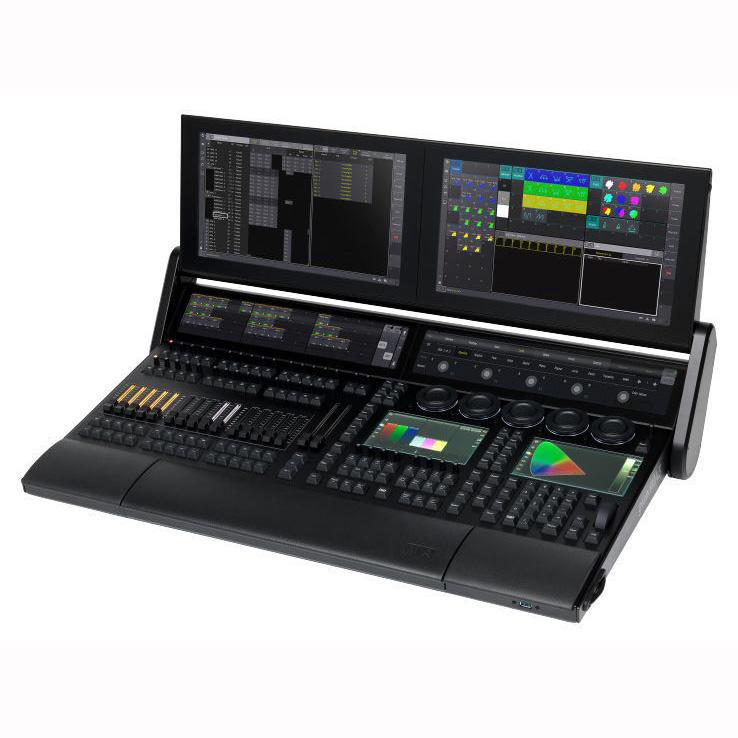
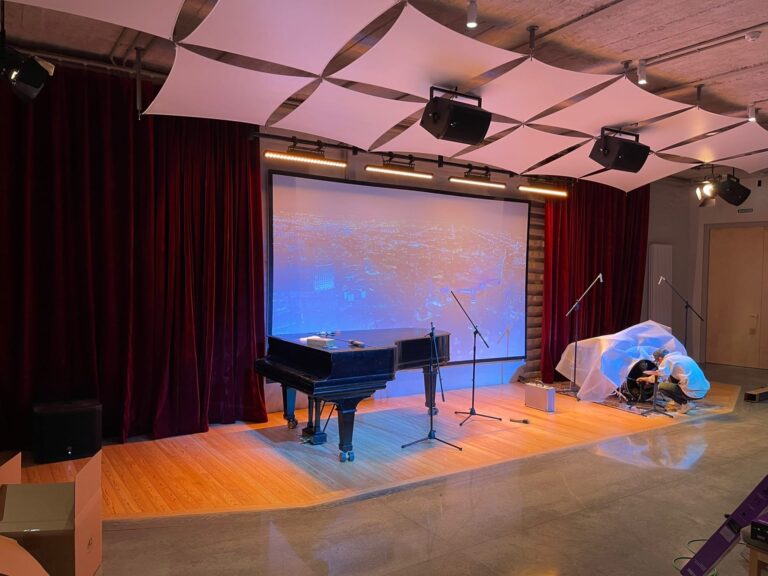
Auditorium stage lighting is the little brother of a theater system: the objectives are the same, but the scale is smaller. The basic setup includes a stage wash, a couple of profile fixtures for performers, and a compact console with pre-set scenes. The key requirement here is ease of operation: the system will be used not by a lighting designer, but by a head teacher, a teacher organizer, or a high school student. We program user-friendly modes—"lineup," "concert," "performance," "film screening"—and train staff in a single session.
When we provide a comprehensive auditorium setup, we also handle the stage mechanics: fly rods for lighting and scenery, intermission curtains, wings, and borders. This gives the client one responsible contractor instead of three and a coordinated project where lighting, mechanics, and electrical components are seamless. We do not handle the mechanics separately from the lighting setup.
We understand the specifics of procurement in the cultural and educational sectors: we help draft technical specifications and requirements to ensure that incompatible or obviously inferior equipment is not included in the bidding process. We work through electronic trading platforms in accordance with Federal Laws 44-FZ and 223-FZ, and provide a full package of closing documents. We plan installation to fit the institution's schedule—evenings, weekends, holidays, and the off-season, when the hall is not busy with events.
Yes, and this is a standard approach for public institutions. After the audit, we divide the fleet into three parts: what remains (trusses, flywheels, some switching), what is being modernized, and what is being replaced. A common approach is a phased installation: pouring and control in the first year, dynamic instruments in the second. Each stage is a self-contained, working result, not a "build-it-until-the-best-time" project.
Savings and durability: LED fixtures consume significantly less energy, don't require regular lamp replacement, and generate virtually no heat—improving the auditorium's climate and fire safety. Control is also a plus: color changes without filters, smooth dimming, and preset scenes from the remote control. For a facility with a daily audience, LED fixtures pay for themselves in consumables and electricity alone.
No specialist required. We program ready-made lighting scenes for your event formats—concert, performance, meeting, film screening—and they're switched with a single button on the remote control or panel. We train staff in a single session and provide clear instructions. Complex one-off shows can be programmed separately—this is a separate project.
We provide stage mechanics—flyers, curtains, wings, and borders—as part of a comprehensive hall outfitting package: one contractor, one project, coordinated lighting, mechanics, and electrical systems. We don't offer mechanics as a separate service without lighting equipment.
During the preparatory stage, we help draft technical specifications and requirements—correct wording protects you from receiving incompatible or inferior equipment at a rock-bottom price. Next, we participate in the online procurement process, complete the contract within the agreed-upon timeframe, and provide a full set of closing documents. We schedule installation to fit the venue's schedule: evenings, weekends, and holidays.