RU
RU
Sound for theater
Acoustic systems that allow the audience to hear the actors, not the equipment. Design, concealed installation, and sound tuning for theaters, philharmonic societies, and music schools.
Acoustic systems that allow the audience to hear the actors, not the equipment. Design, concealed installation, and sound tuning for theaters, philharmonic societies, and music schools.

We select components to suit the director's needs and the organization's budget. We work with leading global brands, which are included in the technical riders of most artists.
Engineering approach: from precise electroacoustic calculations to the integration of sound with stage mechanics.
We build an acoustic model of the hall: uniform coverage and speech intelligibility at every seat are guaranteed before purchase.
We develop audio transmission schemes using modern digital protocols—minimum cable runs, zero signal loss.
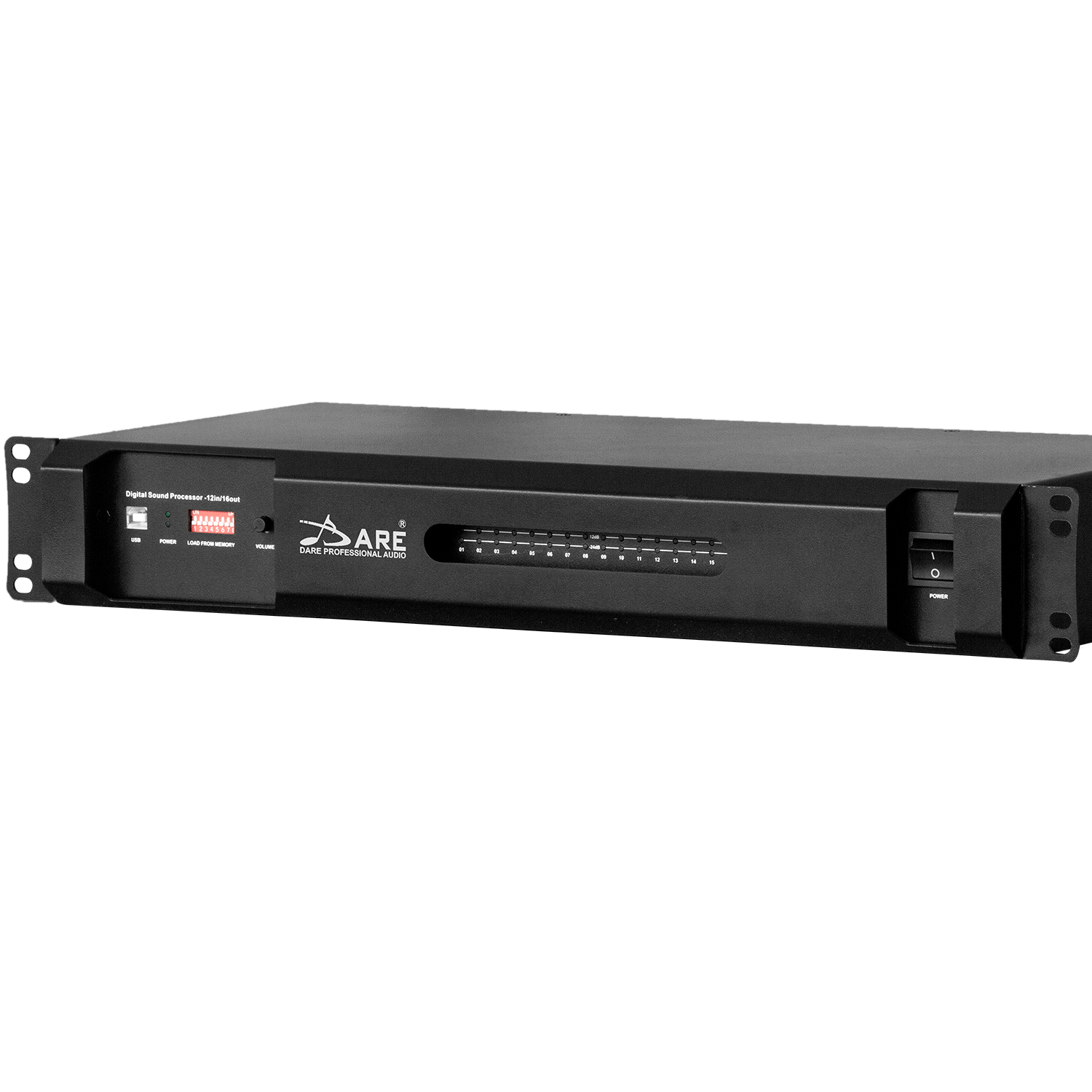
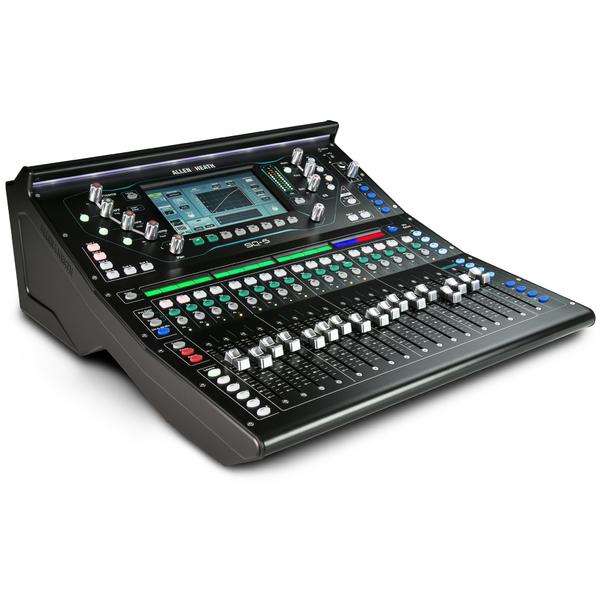
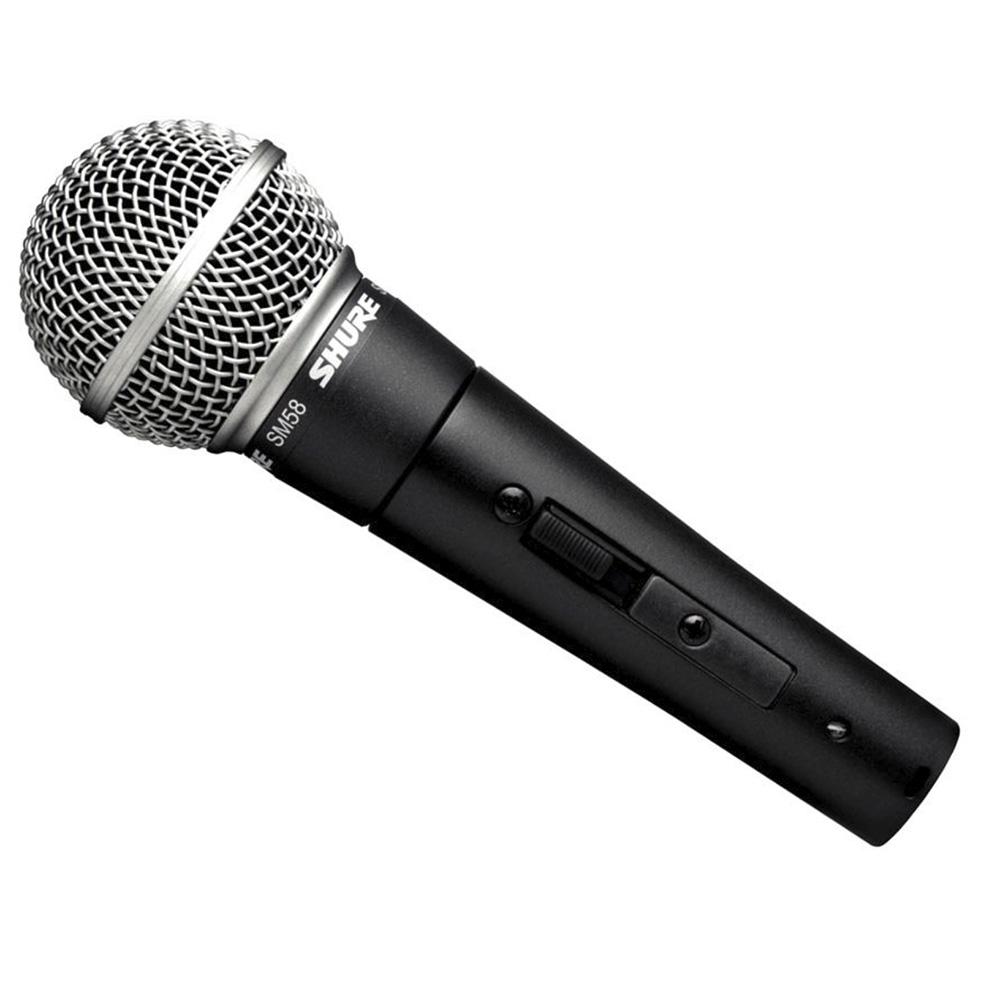
We equip the facility with reliable acoustic systems, digital mixing consoles, and professional radio systems.
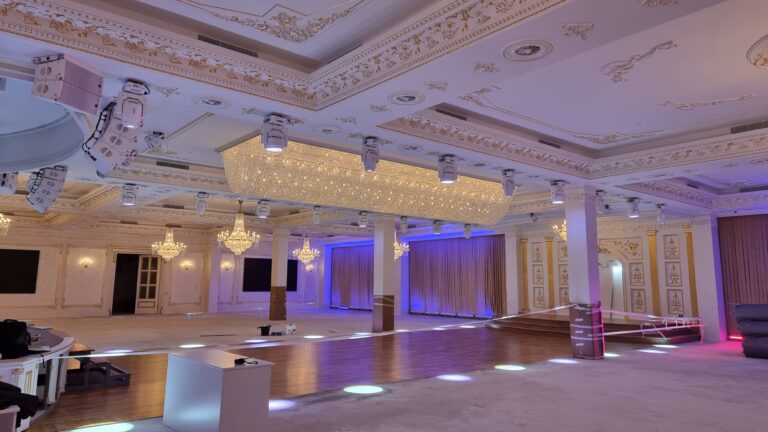
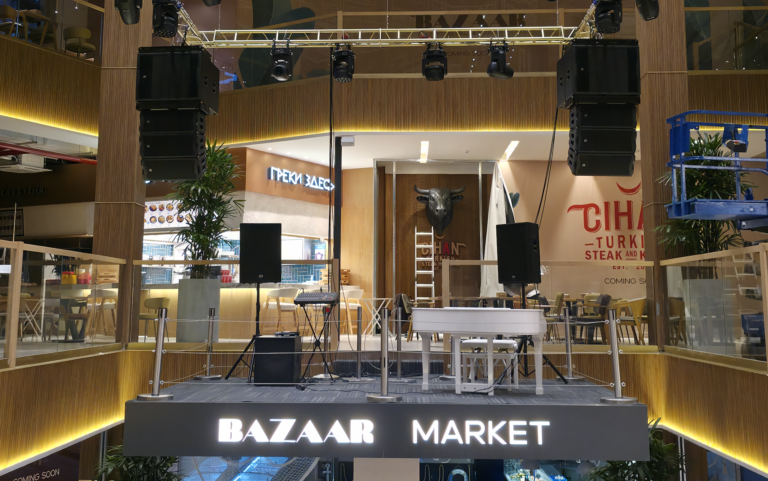
We carefully install linear arrays and point sources, adhering to safety standards and preserving the historic interior.
We perform system alignment, phase and time delay adjustments, and sound mixer programming for various production formats.
We integrate the sound system with the production lighting and video systems, and provide practical training for the theater's sound engineers.
We take into account the specifics of the genre, the complex architecture of the halls, and strict rider requirements.
We select compact equipment and microphones that blend seamlessly into the stage design and don't disrupt the aesthetics of the venue.
We design systems in which sound reaches the audience from the desired direction—the actor's voice is localized from the actor himself, not from speakers on the sides of the stage.
We are installing redundant digital communication lines and backup radio channels, eliminating technical failures during the performance.
| An engineer will visit and inspect the hall. | For free |
| Acoustic calculation of the hall | from 25,000 rubles. |
| A set of radio microphones for the troupe with tuning | from 150,000 rubles. |
| Installation of an acoustic system (per point) | from 1,000 rubles. |
| Setting up the system by measurements | from 15,000 rubles. |
| Turnkey theatre sound system« | According to the project |
The exact cost is determined based on the system's components after a room inspection. Equipment is priced separately based on the specifications. For public institutions, we work in accordance with Federal Law No. 44-FZ and include a full set of closing documents. The estimate is finalized before work begins.
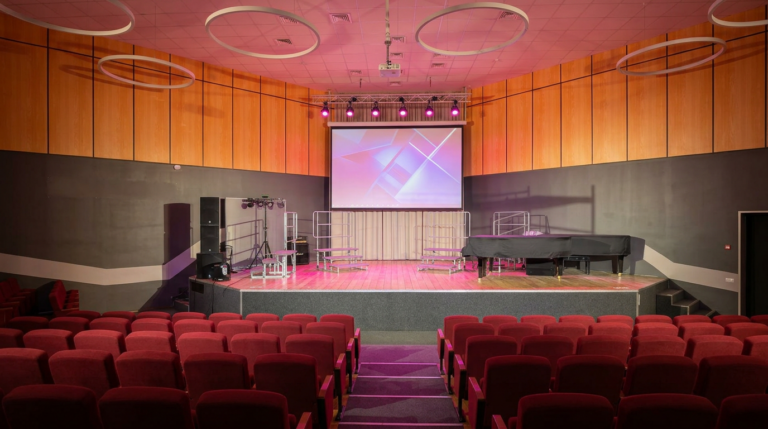
Theater sound is designed differently than stage sound: impeccable speech intelligibility and natural timbre are paramount. The audience should hear the actor's voice, precisely localized to their own location, not "sound from the speakers." We select speaker systems only after calculating the auditorium's dimensions: the domes, stucco moldings, and deep balconies of historic buildings create parasitic echoes, and equipment is selected based on the specific geometry, not from a catalog.
A modern production involves more than just voices: soundtracks and background noises, musical accompaniment, and effects emanating from deep within the stage or from behind the audience. We equip theaters with everything needed for sound design: miniature radio microphones and flesh-colored headsets for actors, multi-channel effects systems, and digital consoles with scenes for each act—the sound engineer switches scenes with a single button as the performance unfolds.
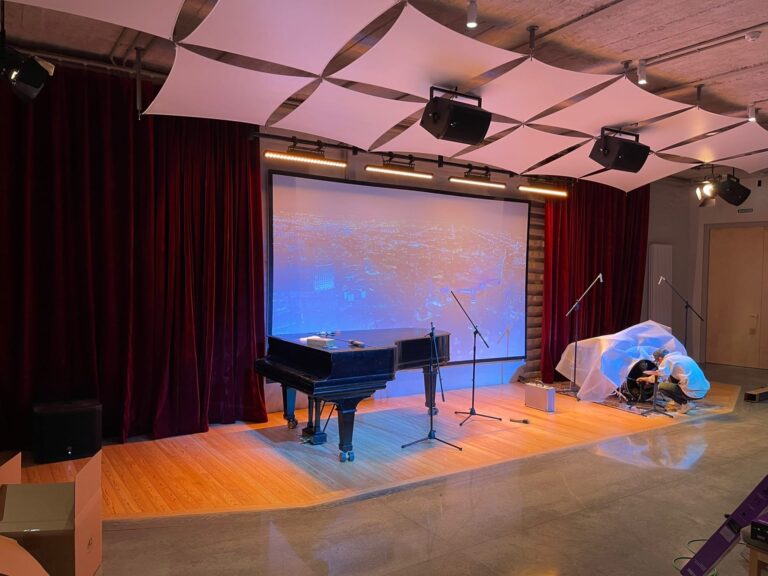
An unspoken rule of theater: equipment must not disrupt the set design or architecture. Acoustics are concealed in portals and painted to match the interior, cables are installed discreetly, and installation in buildings with protected architecture is carried out without compromising the finish. The final step is precise tuning: phase alignment, time delays, so that sound from all sources reaches the audience simultaneously. We often create theater sound in conjunction with theatrical light — one contractor for the entire stage, and for cultural centers and music schools we work according to 44-FZ — as in equipping the stages of the cultural center and assembly halls.
Yes, this is one of our specialties. We select compact equipment and microphones that seamlessly integrate into the stage design and respect the aesthetics of the venue. We install them in compliance with safety regulations and preserve the historic interior—all equipment is selected only after a thorough acoustic analysis of the venue.
At the final stage, we conduct practical training for the theater's sound engineers, after which you operate the system independently. We also provide technical support for a year after the project's completion.
We work with various professional brands and select a solution based on the director's needs and the institution's budget, not on what's most profitable for us to sell.
We incorporate redundant digital communication lines and radio channel backup into the project at the design stage—this eliminates the possibility of a show being disrupted due to a single technical failure.
We'll set the exact deadline in the contract after the electroacoustic calculations and specification approval. It depends on the size of the hall and the complexity of the project, so we'll set a specific date at the proposal stage.